Q&A: Practical parasitology for everyday practice
Susan E. Little, DVM, DACVM (Parasitology), explains how timing shapes transmission, how to remove ticks safely, what to do with an antibody-positive but well dog, and why year-round tick control protects pets and people.
Susan E. Little, DVM, DACVM (Parasitology), walks through the messy, real-world situations and questions clinicians deal with when it comes to ticks: How long does a tick have to feed to transmit infection? How should owners remove an attached tick? When do you treat a seropositive but asymptomatic dog? Which prevention strategies actually help in endemic areas? Read on to learn the answers to all these questions and more.
RELATED: Prevent tick-borne disease with timely interventions
Editor’s note: This dvm360 Q&A has been lightly edited and consolidated from a verbal interview to better fit a written format while retaining the substance of the original conversation.
How quickly can ticks transmit infection? What windows should clinicians keep in mind for Lyme, Babesia, Ehrlichia, Anaplasma, and rickettsial agents?
Little: It varies by pathogen and tick species. Rickettsial agents (Ehrlichia, Anaplasma, many Rickettsia spp., including the agent of Rocky Mountain spotted fever) can be transmitted within the first day of feeding…within a few to 24 hours. By contrast, Borrelia burgdorferi (Lyme) typically requires [more time]. Transmission is usually at least 24 to 48 hours of feeding before an infected tick transmits. Babesia also often needs roughly 24 to 48 hours for the organism in the tick to mature enough to transmit. In short, time matters. Killing a tick early can prevent several infections, but the precise window depends on the tick-pathogen pair.
If an owner finds an attached tick, what should they do?
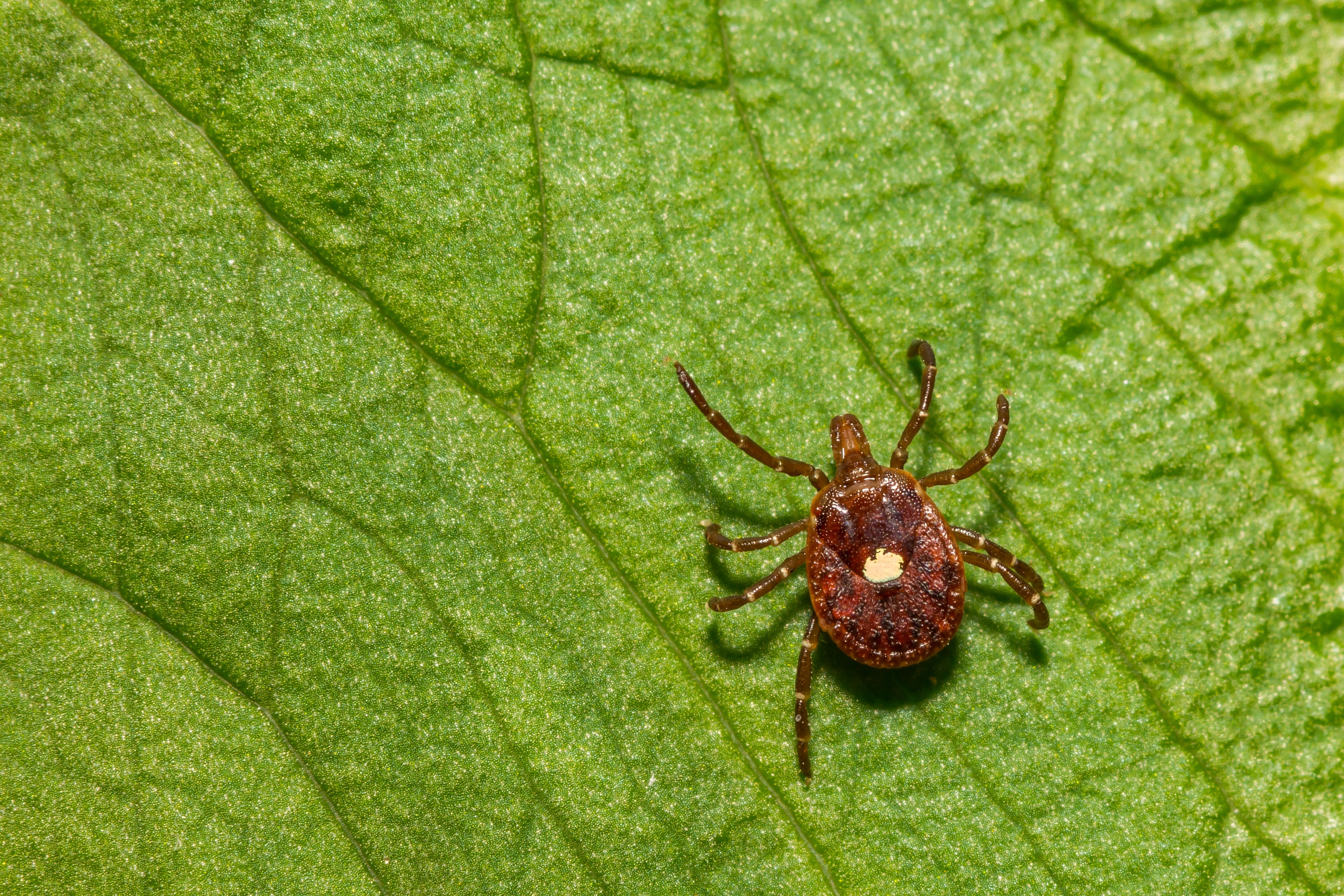
Little: Remove it with steady rearward traction (gentle but firm), using fine-tipped forceps, tweezers, or a tick-removal tool that scoops without compressing the body. Avoid squeezing the tick or compressing the abdomen. You don’t want to force tick contents into the bite site. If hands are used, wear gloves to protect against contamination from the tick. If mouthparts stay in the skin, it’s not catastrophic. Treat it like a splinter. After removal, counsel the owner about tick control. The priority is preventing the next tick, so emphasize “every pet, every month, all year long” for tick prevention.
A dog screens antibody-positive but is asymptomatic…test, treat, or watch?
Little: A seropositive dog without clinical signs is a common and nuanced scenario. Start with a careful history and focused diagnostics. For Lyme-seropositive dogs, evaluate the urine for proteinuria as an early warning for Lyme-associated nephritis. For suspected Ehrlichia or Anaplasma, run a [complete blood count] (CBC) and chemistry. Look for thrombocytopenia, anemia, hypergammaglobulinemia or other abnormalities suggesting active disease. If labs or history suggest clinical disease (lethargy, behavior change, abnormal labs), treat appropriately. If truly asymptomatic with normal labs, treat the patient’s prevention plan (ensure effective tick control, consider vaccination where indicated) and monitor rather than reflexively giving antibiotics.
Which prevention strategies deliver the best real-world protection in endemic areas?
Little: Focus on the tick. Effective tick control products—particularly the isoxazoline class (oral products such as afoxolaner, fluralaner, etc.)—dramatically reduce the time a tick spends feeding and thus the chance of transmission. In areas or seasons of high tick pressure, you may layer strategies. Maintain a monthly oral isoxazoline as baseline and add a topical during intense seasonal peaks. Vaccination against B. burgdorferi is an additional tool where Lyme is endemic and can protect against that single pathogen, but it doesn’t protect against the many other tick-transmitted agents. The combined approach—vaccine where appropriate plus consistent, year-round tick control—is the practical message.
Do pets on tick control still have value for public health?
Little: Absolutely. Protecting pets reduces the reservoir of ticks that might spill into the household and helps detect emerging local transmission. When we test dogs annually for tick-borne antibodies and find evidence of local exposure, that’s an early warning system for human risk in the area. Plus, ticks killed on pets won’t crawl off onto people. So, pet protection is people protection.
Any emerging concerns vets should watch for?
Little: Several ticks and pathogens are expanding their ranges. For example, Haemaphysalis (including H. longicornis, the Asian longhorned tick) and other vectors have been found well outside their historical zones. New or re-emerging agents and phenomena like alpha-gal syndrome are increasingly encountered. It’s important to stay current with surveillance and educate clients about year-round risk.
To read more news and view expert insights from Fetch Long Beach, visit dvm360’s dedicated site for conference coverage at https://www.dvm360.com/conference/fetch-long-beach