Holiday hazards for pets: Common toxic ingestions and foreign-body risks veterinarians should flag
Top toxic ingestions in cats and dogs and average cost of treatment, according to a pet insurance provider.
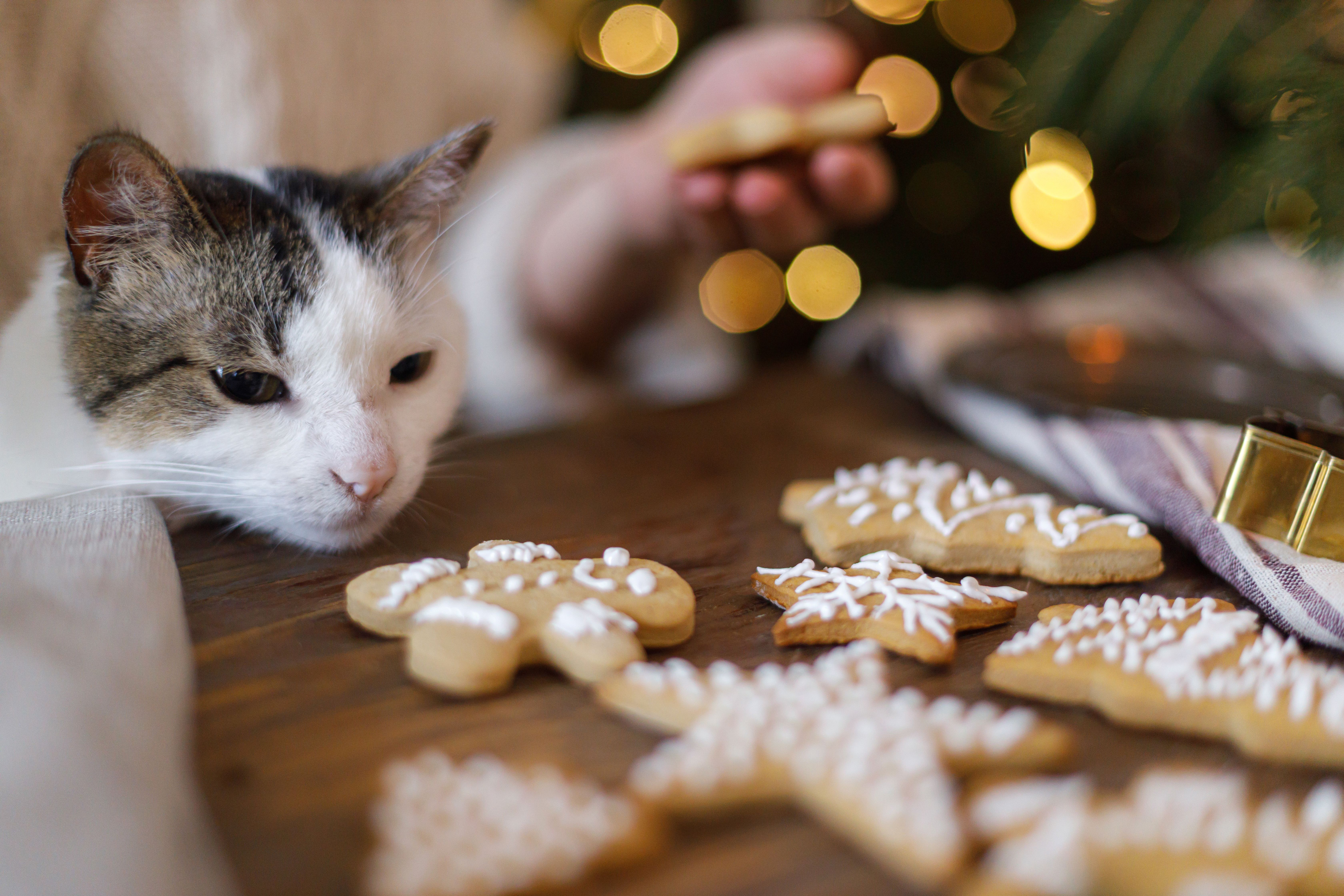
With hazards around every corner during the holidays, veterinary teams should remind clients of the risks seasonal foods and decorations can pose to pets. With extra vigilance this season, pet owners can help their animal companions avoid emergency visits.
“Holiday celebrations often mean delicious foods, beautiful decorations, and friends and family, which can be wonderful for us but may pose unexpected risks to our pets," Michael Bailey, DVM, DACVR, AAAS, president of the American Veterinary Medical Association (AVMA), said in a news release by the organization. "The best gift you can give your pet this holiday season is the gift of good health and safety, which means keeping seasonal hazards out of reach, providing a quiet space away from the hustle and bustle, and ensuring emergency plans are in place in case the unexpected happens."
Chocolate, baked goods (especially sweets with the sugar substitute xylitol), table scraps, and seasonal plants like lilies, holly, and mistletoe are all dangerous to pets. When it comes to decorations, tinsel, candles, electrical cords, and Christmas trees can also pose a risk, the AVMA said.1 Keeping these items out of reach is key to a safer holiday season.
Chocolate remains a leading toxic ingestion for dogs
In fact, according to the pet insurance provider Pumpkin, between 2020 and 2025, chocolate was the No. 1 most ingested toxic item for dogs, averaging a veterinary bill of $1100.2 The incident is not exclusive to dogs, as Pumpkin has also seen multiple claims related to chocolate ingestion in cats.2
Dogs and cats are not able to metabolize chocolate like humans, with the toxic components of this food, caffeine and theobromine, stimulating these animals’ central nervous system and heart.3 The darker the chocolate, the higher the risk to pets. According to Cornell College of Veterinary Medicine, 1 oz of milk chocolate per lb of a dog’s weight can be lethal, whereas only 0.1 oz per lb of a dog’s body weight of unsweetened baking chocolate can be deadly.3
For cats, string ingestion is a top foreign-body emergency
Although chocolate ingestion is a hazard for cats, string-related ingestion remains the No. 1 case of foreign body emergencies for these animals. Oftentimes, these ingestions can lead to linear foreign body obstruction, where the gastrointestinal obstruction leads to intestinal plication and potential perforation. On average, it costs $2500 to treat a string ingestion.2
"Because cats love to hunt, their instinctual hunting behavior will take over when they see an object like a string moving," Mondrian Contreras, DVM, a veterinarian based in Illinois and founder of the VetBros Pet Education Charitable Fund, said in a news release.2 "Objects like these are always a concern because they can cause serious gastrointestinal issues, which may require surgery."
Cats playing with string or ribbon should always be supervised, and owners should ensure no part of the item is chewed or swallowed, Pumpkin said. If the string is swallowed, owners should not attempt to pull it out, and a veterinarian should be contacted immediately.2
Toys and other items also pose an ingestion risk
Beyond food and décor, other commonly ingested items by dogs and cats include torn or chewed up toys. Holiday guests, excitement, and stress can lead to higher risk of ingesting toy parts, such as Legos and doll heads, during unsupervised playtime. Inspecting pets’ toys before holiday parties and throwing away anything that is damaged can help keep pets safe. Pumpkin also recommends checking toys children at home may have to ensure they are not a hazard to pets.
Socks, corn cobs, cooked bones, sticks, and rocks are also common foreign ingestions, according to Pumpkin. “Holidays can pose several dangers for pets due to various factors. The combination of increased foot traffic, the temptation of delicious but dangerous foods, and the potential for unintentional feeding can create a hazardous environment for our furry friends during the holiday season,” Contreras said.2 "If pet parents suspect that their pet has swallowed something dangerous, such as a sock or part of a toy, the first step is to contact their veterinarian for a thorough evaluation."
Safer ways to include pets in holiday celebrations
For veterinary teams counseling clients who want to include pets safely in holiday traditions, the AVMA recommends pet-appropriate gifts, such as1:
- A veterinary wellness exam
- Toys that support exercise and mental stimulation
- Nutritional treats made for pets
- Updated parasite prevention
- Pet insurance
- A microchip or updating existing chip information
“Even something as simple as a microchip can be a lifesaving gift if your pet ever becomes lost," concluded Bailey.1 "It's a gift that lasts a lifetime, and helps to ensure that you will be reunited if you and your pets become separated."
References
- Keep pets safe and happy this holiday season: Tips from the AVMA. News release. American Veterinary Medical Association. December 10, 2025. Accessed December 16, 2025. https://www.avma.org/news/press-releases/keep-pets-safe-and-happy-holiday-season-tips-avma
- Pumpkin warns pet parents of holiday hazards as new data reveals the top things pets swallow—and the surprising vet costs behind them. News release. Pumpkin Pet Insurance. December 2, 2025. Accessed December 16, 2025. https://prnmedia.prnewswire.com/news-releases/pumpkin-warns-pet-parents-of-holiday-hazards-as-new-data-reveals-the-top-things-pets-swallow--and-the-surprising-vet-costs-behind-them-302630537.html
- Chocolate toxicity: What should I do if my dog eats chocolate? Cornell University College of Veterinary Medicine. Accessed December 16, 2025. https://www.vet.cornell.edu/departments-centers-and-institutes/riney-canine-health-center/canine-health-topics/chocolate-toxicity-what-should-i-do-if-my-dog-eats-chocolate#:~:text=emergency%20veterinarian%20immediately.-,Cause,can%20quickly%20lead%20to%20dehydration.