Getting familiar with emergency medicine in general practice
Tannetje Crocker, DVM, discussed common emergencies presented to GP veterinary teams and some key considerations.
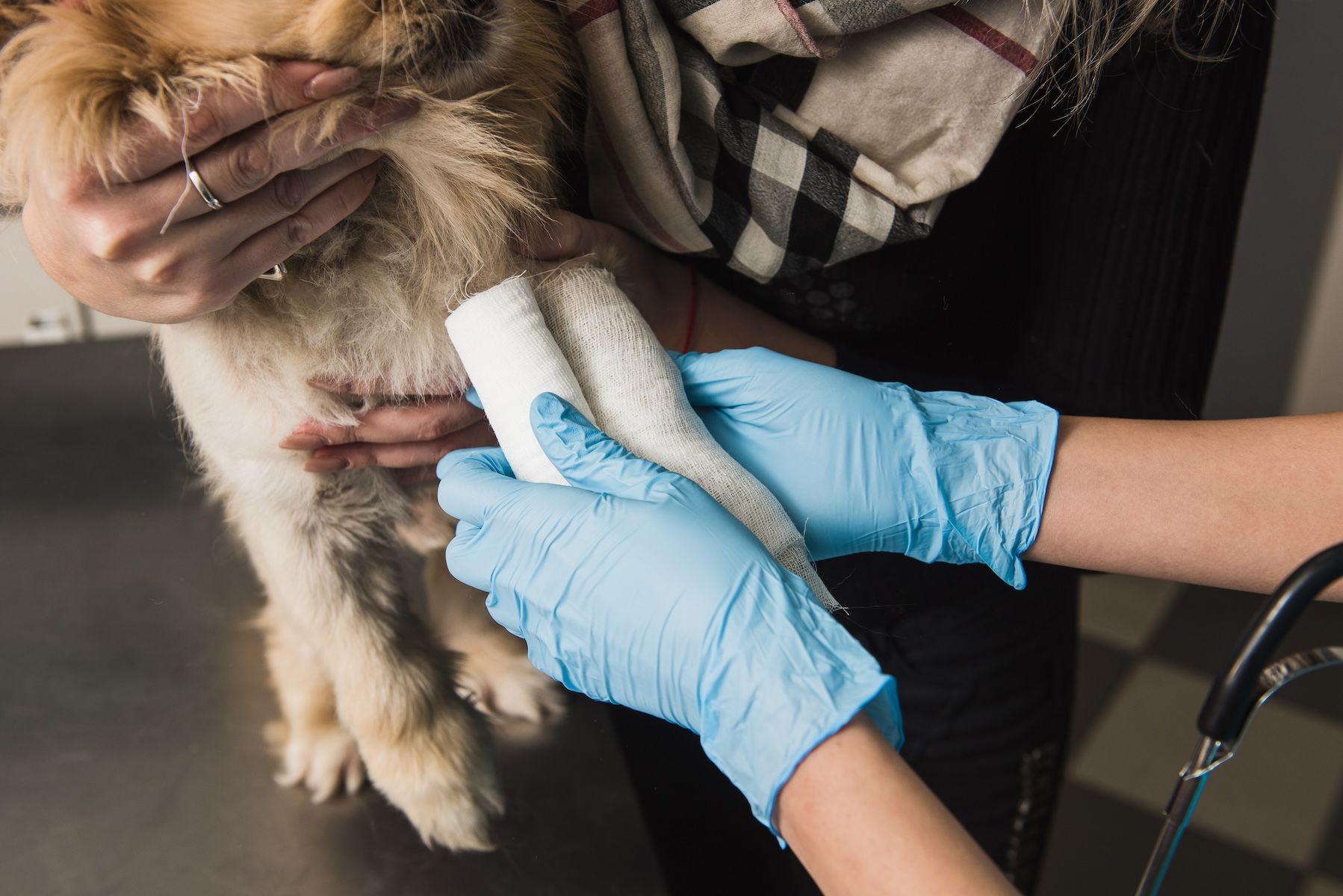
What should general practitioners (GPs) know about handling emergency cases? Tannetje Crocker, DVM, an emergency veterinarian for Veterinary Emergency Group in Dallas, Texas; owner of Alta Vista Animal Hospital in Fort Worth, Texas; and social media personality, explained the equipment, medication, and communication skills that GP veterinary teams should be familiar with for emergency cases during her lecture at the 2025 Fetch dvm360 Conference in Long Beach, California.1
“Pet owners are wanting more for their pets, which means we have to be able to offer more…. There's so much we can do right in our own hospitals,” Crocker said. “People are coming to you with the same expectation that they have of a specialty [emergency] facility. You want to be ready for those types of things.”
Creating an interactive experience, Crocker asked her audience to name some of the more common emergency cases they typically see in their own clinics. Among the responses were respiratory distress, heart failure, injuries from pets getting hit by cars, gastrointestinal effects of chemotherapy, seizures, toxins, and urinary obstruction in cats. “When I have a blocked cat come in, I'm talking to an owner, [and] one of the first things I say is, ‘This is a true emergency.’ I think that's a really important statement to say to some of these [clients], to escalate how quickly you're able to provide care,” Crocker told the audience.
Utilizing the veterinary team
One of the first things to consider when establishing emergency services is to determine what the veterinary team already knows, such as triage, first aid, cardiopulmonary resuscitation, and emergency medications, according to Crocker. Training the staff and having these professionals practice emergency care is also essential, if needed. “It is not just you, as veterinarians; it is definitely a team approach when it comes to emergent care,” Crocker said.
Crocker urged the Fetch audience to empower their veterinary team to handle emergency tasks.
“Technicians want to be utilized to the fullest capability. If they have a puppy [and] there's not a doctor available, and this puppy looks [ill], have them check [blood glucose].... If this puppy has a blood glucose of 40 and it's sitting there for 45 minutes in your practice until the doctor can come, that's a big deal,” she said.
“If this cat is blocked, have [technicians] feel the belly.... Make it where they feel comfortable telling you what they're seeing...and you actually respond, and you respect what they're saying and what they're doing. I think that's really important as a team,” Crocker added.
Identifying emergency care elements
During her lecture, Crocker addressed the following needs for providing emergency care in a GP setting1:
- Triage and prioritization: Teams must identify emergency cases and prioritize their patients based on severity, with the most urgent cases being the most time sensitive.
- Diagnostic skills: Utilize point-of-care diagnostics to quickly and accurately identify the patient’s condition.
- Treatment protocols: These include immediate stabilization techniques and the administration of emergency medications.
- Communication with clients: Managing the expectations and emotions of pet owners and effectively communicating with clients during an emergency should be included in a veterinary team’s standard of care.
Acquiring essential equipment
Integrating emergency care into a general practice also requires the establishment of an emergency-ready environment. This includes having appropriate equipment and supplies for providing emergency care services, as well as a designated area in the practice for these cases.
“Everyone should have a glucometer in [their] practice, right? Because if you have a dog come in for seizing, one of the first things you should do is check [blood glucose], especially depending on how old they are, because hypoglycemia in younger pets is going to be one of the main reasons you're going to see them seizing,” Crocker said.
Diagnostic equipment and tools are also important for emergency care. “Now, maybe you don't have an x-ray, [and] that's OK, but ultrasound…is a great way to image emergency cases. You can get a lot of information that way, and it's not as high of a price point,” she said.
Crocker also recommended a SpO2 oximeter for cases that require sedation or anesthesia. “You should know where it is. Everyone should make sure it's working,” she said.
A lactometer is also recommended by Crocker, who noted she uses this device for every emergency case she handles. “Lactate gives you so much information, but it is really expensive to have, so I don't think it's something you have to have in a general practice. But if you can get your hands on one, it can really help you out,” she said.
Takeaways
Establishing emergency care services in a general practice may not come without challenges, such as resource limitations, including financial constraints and personnel shortages, time constraints, and ensuring client adherence. However, establishing best practices and deploying solutions can help. Crocker said “training is key” for veterinary teams, but collaborations with specialists and referral centers can add value, too.
To view additional coverage of the Fetch Long Beach conference from the dvm360 content team, visit the event’s dedicated news page: https://www.dvm360.com/conference/fetch-long-beach
Reference
- Crocker T. Emergency care redefined: essential elements for GPs providing emergency services. Presented at: Fetch dvm360 Conference; December 5-6, 2025; Long Beach, CA.